
Yau Tak "Marco" Lee
BACP· Accepting clientsUnited Kingdom · 7 yrs exp
Stress, Anxiety · Trauma and abuse · Grief · Anger · +14 more
Read profileThe therapy listings are provided by BetterHelp and we will earn a commission if you use our link - at no cost to you.
Working with a therapist in your native Cantonese can help you express complex emotions and cultural experiences more naturally. Browse Cantonese-speaking therapists below to find counsellors who share your language and approach, and learn what to expect from therapy in Cantonese.
United Kingdom · 7 yrs exp
Stress, Anxiety · Trauma and abuse · Grief · Anger · +14 more
Read profile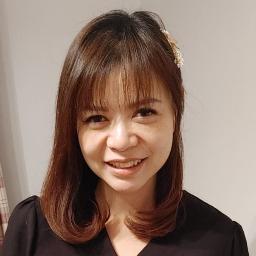
United Kingdom · 18 yrs exp
Stress, Anxiety · Relationship · Family · Intimacy-related issues · +13 more
Read profile
United Kingdom · 13 yrs exp
Relationship · Family · Grief · Intimacy-related issues · +5 more
Read profile
United Kingdom · 8 yrs exp
Stress, Anxiety · LGBT · Self esteem · Career · +9 more
Read profile
United Kingdom · 6 yrs exp
Stress, Anxiety · Family · Grief · Self esteem · +11 more
Read profile
United Kingdom · 11 yrs exp
Trauma and abuse · Career · Depression · Coping with life changes · +8 more
Read profile
United Kingdom · 11 yrs exp
Stress, Anxiety · Relationship · Anger · Depression · +16 more
Read profile
United Kingdom · 3 yrs exp
Stress, Anxiety · Trauma and abuse · Sleeping · Anger · +15 more
Read profile
United Kingdom · 3 yrs exp
Stress, Anxiety · Relationship · Family · Trauma and abuse · +1 more
Read profile
United Kingdom · 5 yrs exp
Stress, Anxiety · Addictions · Relationship · Grief · +7 more
Read profile
United Kingdom · 4 yrs exp
Stress, Anxiety · Relationship · Grief · Self esteem · +1 more
Read profile
United Kingdom · 12 yrs exp
Stress, Anxiety · Relationship · Trauma and abuse · Career · +11 more
Read profile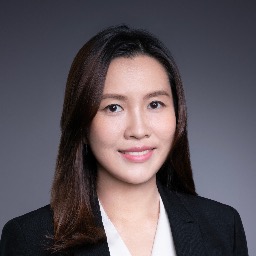
United Kingdom · 3 yrs exp
Family · Parenting · Stress, Anxiety · Relationship · +2 more
Read profile
United Kingdom · 3 yrs exp
Relationship · Self esteem · Career · Depression · +7 more
Read profile
United Kingdom · 12 yrs exp
Stress, Anxiety · Self esteem · Depression · Coping with life changes · +12 more
Read profile
United Kingdom · 21 yrs exp
Stress, Anxiety · Relationship · Grief · Self esteem · +1 more
Read profile
United Kingdom · 15 yrs exp
Stress, Anxiety · Relationship · Family · Self esteem · +11 more
Read profile
United Kingdom · 4 yrs exp
Stress, Anxiety · Relationship · Self esteem · Depression · +4 more
Read profile
United Kingdom · 10 yrs exp
Stress, Anxiety · Addictions · Relationship · Trauma and abuse · +1 more
Read profile
United Kingdom · 5 yrs exp
Stress, Anxiety · Relationship · Family · Self esteem · +9 more
Read profile
United Kingdom · 10 yrs exp
Stress, Anxiety · Trauma and abuse · Grief · Depression · +7 more
Read profile
United Kingdom · 3 yrs exp
Stress, Anxiety · Addictions · Trauma and abuse · Grief · +9 more
Read profile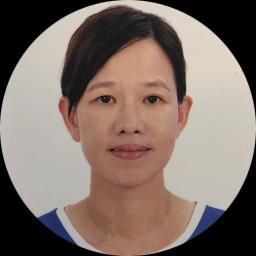
United Kingdom · 25 yrs exp
Stress, Anxiety · Grief · Parenting · Anger · +1 more
Read profile
United Kingdom · 8 yrs exp
Self esteem · LGBT · Trauma and abuse · Career · +1 more
Read profileWhen you talk about your life in the language you grew up with, you access a different layer of meaning. Cantonese carries idioms, tone, and cultural references that are often lost when you switch to another language. Feeling understood in the words and phrases that come naturally to you can make it easier to describe early memories, family expectations and emotional states that do not translate neatly. This matters because therapy is not only about solving problems - it is about being heard and framed in a way that resonates with your personal history and cultural background.
Language also shapes how emotions are named and experienced. Certain expressions in Cantonese may capture nuances of shame, filial duty or intergenerational tension in ways that English cannot. When you speak in Cantonese, your therapist can more readily pick up on these nuances and respond in a way that reflects your lived context. For many people this leads to a stronger therapeutic relationship and a sense that the work is personally relevant rather than generic.
Alongside language, culture informs what you expect from counselling and how you make meaning of distress. A Cantonese-speaking counsellor who understands common family dynamics, migration stressors and cultural values can help you explore concerns without having to explain every cultural reference. That does not mean every Cantonese-speaking therapist will share the same background, but having conversations in Cantonese often allows you to bring cultural material into the room more easily.
Language differences are more than a practical hurdle - they can change the quality of a therapeutic exchange. If you are using a second language, you might find it harder to access metaphors, humour or metaphysical concepts that feel central to your identity. This can make emotional expression feel flattened or less spontaneous. Misunderstandings can occur when a subtle phrase is translated or paraphrased, and those small losses can add up to reduce the depth of sessions over time.
Relying on an interpreter is sometimes necessary, but it introduces another dynamic into the room. Having a third person present changes conversational flow and can affect what you feel comfortable sharing. You may need to spend more time ensuring everyone understands the emotional valence of what is said rather than exploring the feeling itself. If you prefer to use Cantonese directly with a therapist, you may find it easier to discuss sensitive topics such as family honour, immigration stress, or trauma in ways that feel authentic.
Translation is not only about words. Tone, timing and culturally loaded expressions all carry meaning. An interpreter can convey facts, but some emotional subtleties may be lost. If you have experienced this, you are not alone - many people sense a difference in depth when they are not speaking in their primary language. Choosing to work in Cantonese reduces the need for constant rephrasing and can help maintain the integrity of your story.
Online therapy in Cantonese can take several forms including video calls, telephone sessions and text-based options. You can expect sessions to follow a familiar counselling structure - an initial conversation to explore your concerns, ongoing sessions that build on that work, and opportunities to reflect on progress. The medium may feel different at first; many people find that after a few sessions the technology fades into the background and the therapeutic conversation becomes the focus.
When you choose online therapy, think about practical details such as whether you prefer video for visual cues or audio-only for convenience. Video can help you and your counsellor read facial expressions and body language, which add context to Cantonese expressions and cultural gestures. Audio-only may feel more intimate for some people, especially if you live in a shared household and need discretion. Text-based work can be useful for tracking thoughts between sessions, though it changes the pace and intensity of conversation.
Before your first online session, consider where you will take the call so you can speak freely and without interruption. Choose a comfortable environment where you feel able to express yourself. It can help to have a few notes about what you want to address, whether that is mood, relationships, work stress or family matters. If you have questions about a therapist's approach or experience with Cantonese-language clients, you can raise these in an initial consultation so you know how they frame their practice.
Many Cantonese speakers worry about stigma within their family or community. Mental health remains a sensitive topic for some, and seeking help can feel at odds with cultural expectations of resilience and saving face. You may fear being judged or worry that your family will not understand why you are seeing a counsellor. These concerns are valid and often come up in the early part of counselling as you explore how to balance personal wellbeing with cultural ties.
Another common challenge is finding someone who speaks Cantonese and also understands the cultural context relevant to your situation. Some Cantonese-speaking therapists will have lived experience of migration or intergenerational family dynamics, while others may come from different regions or communities. It can help to identify whether you want a counsellor who shares specific cultural references or someone who is flexible in exploring your background without assumptions.
You might be unsure how to talk about therapy with family members who have different expectations about mental health. It can be helpful to clarify from the start what you want to share with others and to discuss with your counsellor how to manage conversations about therapy with relatives. Many people find it useful to practise these conversations in session so they feel more confident speaking to family in a way that honours both their needs and cultural values.
Online therapy expands the range of Cantonese-speaking therapists you can consider, which is especially helpful if you live outside large urban centres or prefer a specific style of counselling. You can connect with practitioners across the UK, and this broader pool increases the chance of finding someone who matches your language preferences, cultural awareness and therapeutic approach. Flexibility is another practical benefit - online sessions can be organised around work, family care and other responsibilities without the need for travel.
When choosing a Cantonese-speaking therapist, start by thinking about the kind of relationship you want. Do you prefer a more structured approach or a conversational style that focuses on exploring feelings? Look for therapists who are registered or accredited with a recognised professional body in the UK, and note the issues they list as their focus areas. If a therapist lists particular approaches, remember that this indicates a way of working they use rather than an endorsement of outcomes. You can ask about their experience with topics relevant to you, such as migration, bereavement, or family dynamics, and whether they commonly work with Cantonese-speaking clients.
Before committing to ongoing work, you may wish to have an initial conversation to get a sense of how you relate to the counsellor. Ask about how they conduct sessions online, what to expect in terms of session length and fees, and how they handle matters like record keeping and professional registration. You might also want to confirm which dialects of Cantonese they are comfortable with, since regional variations and idioms can matter in how you express yourself. Trust your sense of fit - if you feel heard and understood in those early conversations, it is often a good sign that the working relationship will be helpful.
Finding a Cantonese-speaking counsellor is a meaningful step toward getting support in a language that feels authentic to you. Whether you are seeking help for stress, relationship issues, grief or transitions, working in your native Cantonese can make the work more accessible and culturally resonant. Take your time, ask questions, and choose a counsellor whose registration, focus areas and approach align with the kind of support you want to receive.